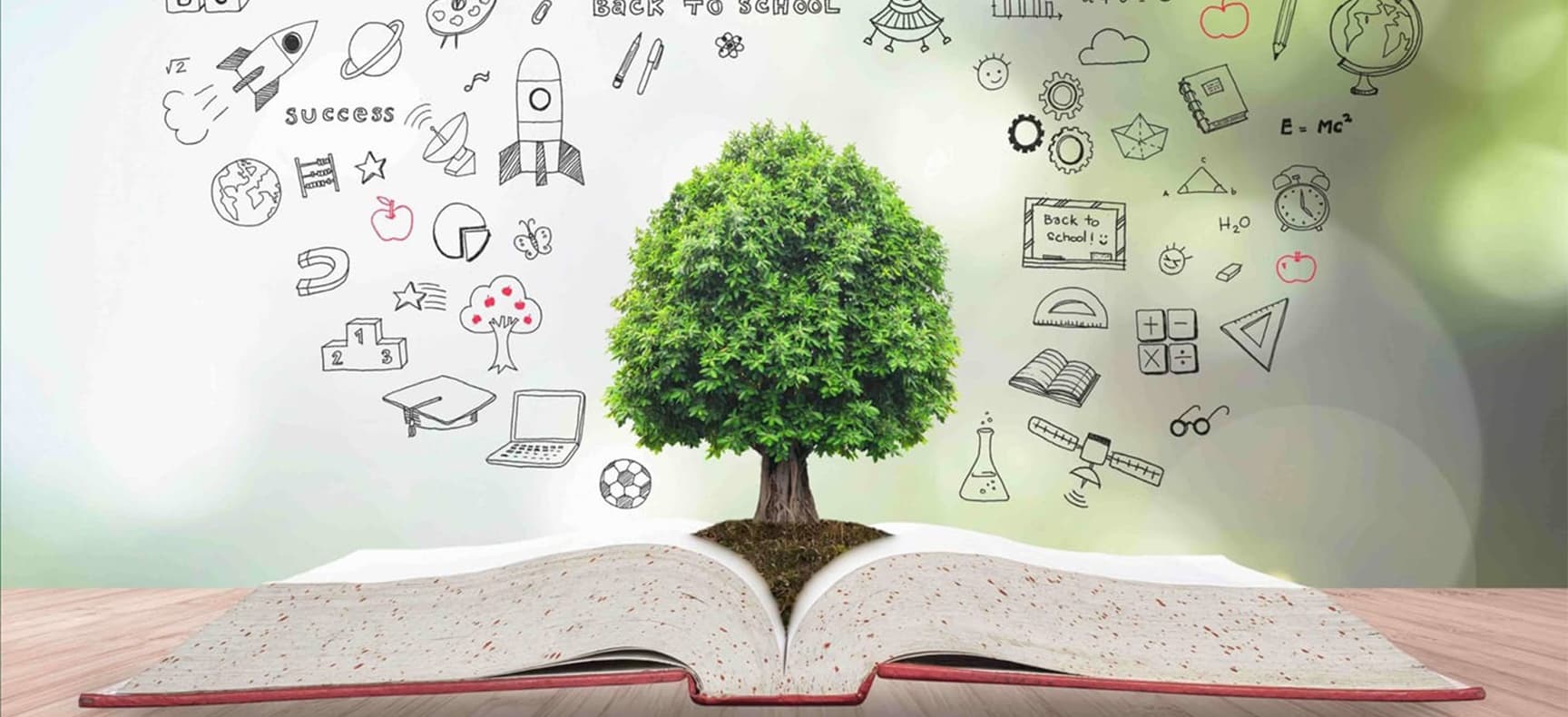
Education For Sustainable Development
Our education innovation conference will show how integrating sustainability into learning will prepare students to tackle global challenges and make responsible choices.
Our education innovation conference will show how integrating sustainability into learning will prepare students to tackle global challenges and make responsible choices.
Sustainability education goes beyond environmental facts; it instills values, skills, and attitudes needed for responsible citizenship. At the Education 2.0 Conference, experts will discover ways to implement sustainability education programs through project-based learning, community initiatives, and interdisciplinary studies.
Students engaged in sustainability education programs analyze environmental impacts, evaluate social consequences, and develop solutions that balance economic, social, and ecological priorities. Practical exercises, such as conducting energy audits or organizing local clean-up projects, foster real-world understanding and ethical decision-making.
Through sustainable education, learners explore how financial decisions influence the planet and society. They gain insights into responsible investing, budgeting, and entrepreneurship, linking sustainability concepts to economic literacy. This holistic approach ensures students are prepared for academic success and future career challenges.
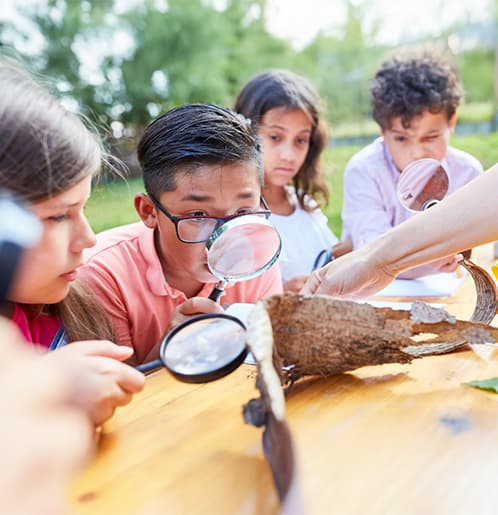
In a rapidly changing world, sustainability in higher education is essential. At our global education conference, experts emphasize equipping students with knowledge, skills, and attitudes to address climate change, resource scarcity, and social inequalities. Integrating sustainability into curricula builds critical thinking, collaboration, and leadership abilities.
This theme shows how education for sustainable development is not just about protecting the planet — it is about producing thoughtful, responsible leaders equipped to build a more equitable and sustainable future.
At our education innovation summit, participants explore critical competencies that enhance sustainability learning:
Embedding sustainability across subjects allows learners to examine environmental, social, and economic challenges. Effective sustainability education programs encourage analysis, reflection, and responsible decision-making.
Hands-on projects teach students practical problem-solving skills. By participating in activities like waste audits or energy conservation campaigns, students apply classroom knowledge to real-world sustainable challenges.
Learning how financial choices impact society develops conscious economic behavior. Sessions on sustainable finance education guide students in evaluating investments, budgeting, and ethical business decisions.
Encouraging local project participation fosters civic responsibility. Students experience teamwork, communication, and leadership through sustainability in higher education initiatives that create real community impact.
Understanding international sustainability trends and frameworks equips learners to tackle worldwide issues. These sessions emphasize the role of sustainability education in shaping globally conscious citizens.
Students develop knowledge, skills, and confidence to advocate for environmental preservation. Sustainability education programs teach learners to lead campaigns, participate in policymaking, and promote ecological responsibility.
Integrating ethics into decision-making nurtures leadership qualities and responsibility. Students applying these principles gain practical experience in guiding sustainable projects and community initiatives.
Offers practical guidance to integrate education for sustainable development into curricula, including project design and interdisciplinary approaches.
Explains sustainable finance education by linking ethical investment, budgeting, and responsible business practices for student learning.
Provides research-backed strategies for sustainability education programs, emphasizing experiential learning and community engagement.
Explores global sustainability challenges and practical solutions relevant for students and educators working toward a sustainable future.
Features leaders discussing innovations in sustainability education programs and approaches to teaching sustainability across different contexts.
Offers practical strategies for integrating sustainability in higher education curricula and student projects, with examples from institutions worldwide.
A platform to implement sustainability education programs through school-based projects and community initiatives, with a global network of participants.
An interactive tool helping learners understand climate models, promoting sustainability education in real-world scenarios and policy discussions.
Provides metrics for universities to evaluate and enhance sustainability in higher education, guiding curriculum and operational improvements.
Yes. Sustainability education can be integrated into literature, economics, and social studies through interdisciplinary projects and critical discussions that connect multiple perspectives.
Absolutely. Sustainability education programs combine hands-on activities, case studies, and local projects to teach actionable skills that students can immediately apply.
Integrating sustainability in higher education strengthens student engagement, research, and community leadership while fostering global awareness and responsible citizenship.
Sustainable finance education equips learners with knowledge on ethical investment, resource management, and eco-conscious financial decision-making for both personal and professional contexts.
Yes. Step-by-step guidance at our summit makes education for sustainable development accessible to teachers of all experience levels, with practical tools and frameworks to get started.
The upcoming Education 2.0 Conference is held in Dubai and the USA. Please visit our website for the latest dates and venue details.
We only accept payments in USD ($).
We accept several payment methods prior to the conference, including VISA, Mastercard, American Express, Maestro, Discover, Bank Transfer, and PayPal. For your convenience, we also have an interest-free installment plan in place. Please contact the team for more information.