
Gamification & Motivation In Learning
Discover how gamification and motivation can turn lessons into engaging, goal-driven experiences at our education innovation conference.
Discover how gamification and motivation can turn lessons into engaging, goal-driven experiences at our education innovation conference.
Gamification extends far beyond adding points or badges to a lesson — it involves using game mechanics like challenges, leaderboards, levels, and storytelling to make learning active, rewarding, and goal-driven. Motivation, whether intrinsic (fueled by personal growth and curiosity) or extrinsic (driven by rewards, recognition, and achievement), ensures learners remain engaged and persistent in reaching objectives.
These two concepts work together to transform passive instruction into participatory experiences that build resilience, creativity, and collaboration skills. At our education innovation conference, they are explored as strategies that support diverse learner needs and make progress feel tangible.
By embedding clear objectives, feedback systems, and opportunities for achievement, educators can create environments that not only deliver knowledge but also inspire continuous improvement and long-term engagement across any subject or grade level.
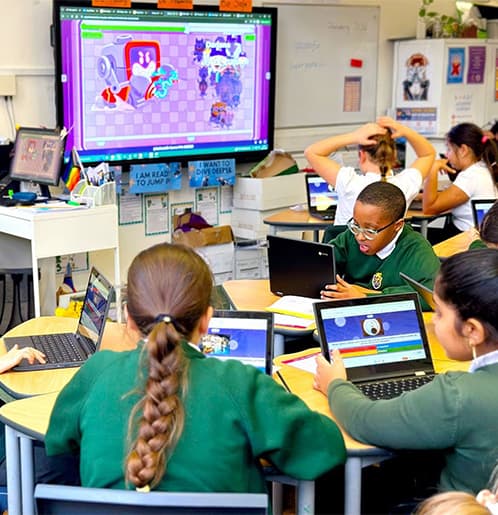
In an era where attention spans are short and competition for learner engagement is high, gamification and motivation have become essential for creating impactful learning experiences.
At our global education conference, these benefits are explored through practical models, live demonstrations, and case studies showing how gamification can be adapted to any learning environment.
This theme at our education conference explores practical strategies and proven approaches for integrating gamification and motivation into diverse learning environments:
Building lesson frameworks that integrate rewards, challenges, and progression systems tied directly to learning objectives, ensuring gamified elements are purposeful tools for skill development.
Applying research on intrinsic motivators such as curiosity and mastery, alongside extrinsic drivers like recognition and rewards, to sustain engagement over time and across different learning contexts.
Adapting game elements for in-person classrooms, hybrid setups, and fully online courses, selecting appropriate tools and mechanics to suit the delivery format while keeping learners equally engaged.
Leveraging analytics to monitor learner participation, identify drop-off points, and adjust game mechanics for better results, revealing which incentives work best for different audiences.
Designing inclusive and adaptable game structures that accommodate diverse learner needs, device limitations, and varying levels of digital literacy, ensuring every participant can benefit equally.
Highlighting institutions and programs worldwide that have used gamification to improve academic performance, increase motivation, and foster collaboration — offering replicable models for different educational settings.
A research-backed guide to integrating game-based elements in learning with step-by-step approaches and real-world examples for educators and trainers.
Explores the psychology behind what truly motivates people, focusing on autonomy, mastery, and purpose as the drivers of sustained engagement.
Shows how game thinking can be applied to solve real-world and educational challenges, making learning more purposeful and engaging for all learners.
A compelling vision of how games can be powerful tools for learning and real-world problem solving across all age groups.
Conversations with educators who have successfully integrated gamification into their teaching practices, sharing results and lessons learned.
Expert-led guidance on implementing game-based strategies for different teaching contexts, with practical examples and frameworks.
Turn learning into a role-playing adventure that fosters collaboration and responsibility among students of all ages.
Game-based quizzes that spark excitement and friendly competition in any learning setting, in-person or online.
Multiplayer quizzes with memes, instant feedback, and flexible pacing for learners of different skill levels.
Not at all. The education innovation conference offers beginner-friendly introductions and advanced strategies, with clear examples you can apply right away.
These methods make learning interactive and goal-driven, encouraging active participation and sustained focus by giving learners clear objectives and meaningful feedback.
No. Many tools showcased at the edtech conference are free or low-cost and run on standard devices and basic internet connections, making them accessible for all institutions.
Yes. At the education summit, we explore its use in higher education, corporate training, and community learning programs across diverse global contexts.
Gamification can make learning more engaging and interactive, helping learners stay focused and inspired. Discussions at the education conference explore how game-based approaches influence motivation, participation, and sustained interest.
The upcoming Education 2.0 Conference is set to be held in Dubai, UAE and the USA. Please check our website for the latest dates and venue details.
We only accept payments in USD ($).
We accept several payment methods prior to the conference, including VISA, Mastercard, American Express, Maestro, Discover, Bank Transfer, and PayPal. For your convenience, we also have an interest-free installment plan in place. Please contact the team for more information.