Mental Health & Well-Being
Discover how mental health education is shaping supportive, resilient classrooms at our education summit. Learn how to nurture emotional health and build resilience.
Discover how mental health education is shaping supportive, resilient classrooms at our education summit. Learn how to nurture emotional health and build resilience.
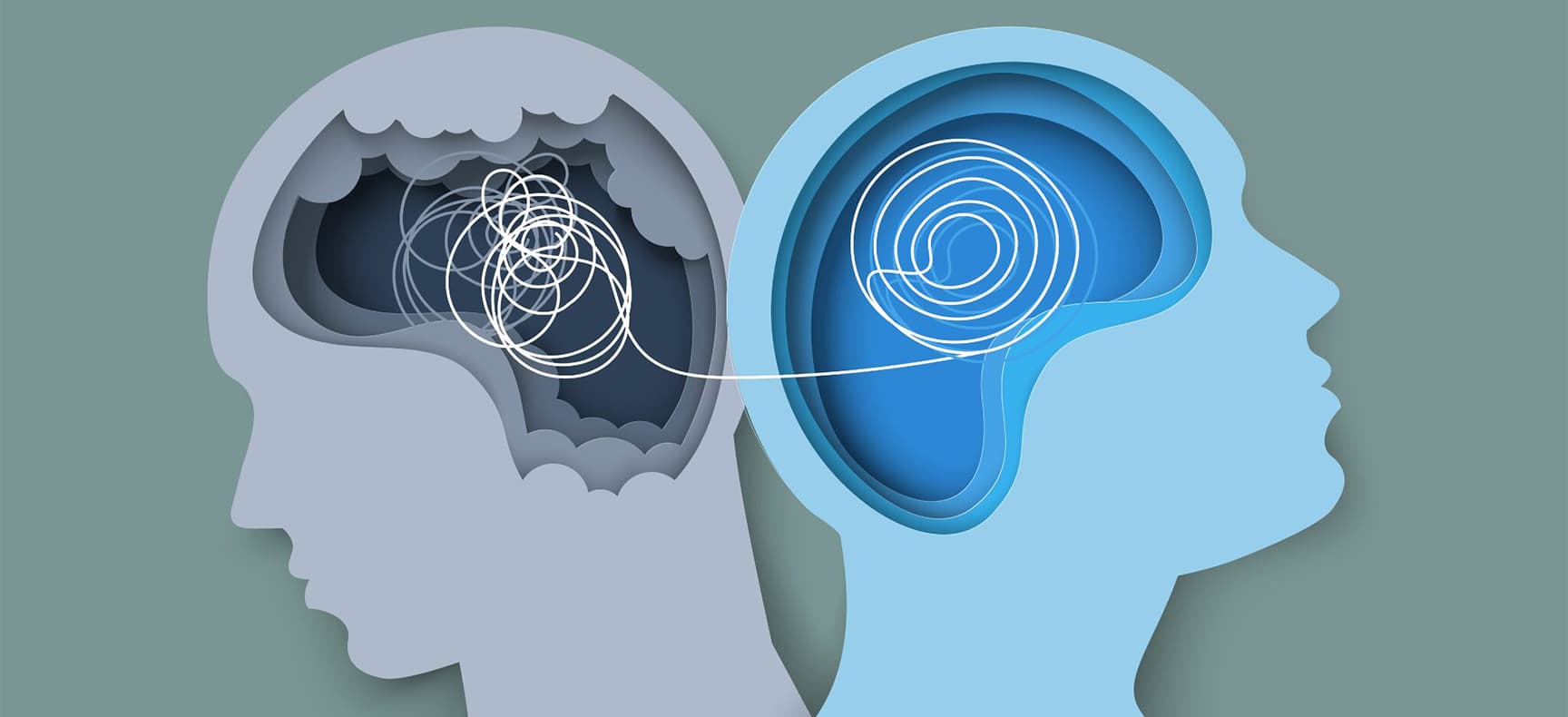
Mental health is no longer a side conversation in education. It's a critical pillar of effective teaching, learning, and development. Mental health education gives students the language, tools, and support to understand emotions, manage stress, and build resilience—both inside and outside the classroom.
Mental wellness education goes beyond crisis response. It includes proactive strategies that help students maintain well-being, cope with challenges, and thrive socially and academically. At its best, it also supports educators—whose own mental health is key to building safe and responsive classrooms.
This theme focuses on integrating emotional well-being into the core of learning—not as an add-on, but as essential to success—and will be a key focus at our global education conference.
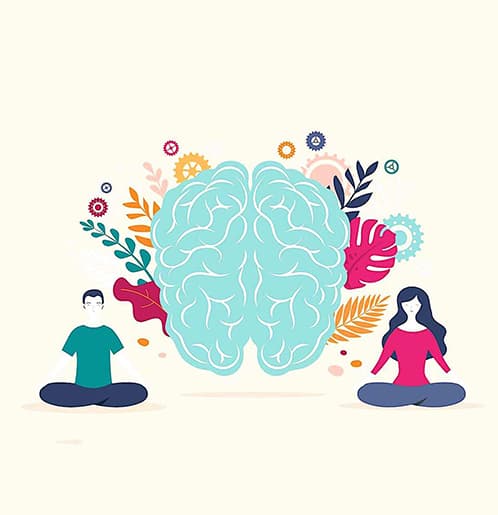
Students today face a complex mix of pressures: social media, academic competition, family stress, identity struggles, and more. Educators, too, are navigating burnout, growing expectations, and changing classroom dynamics.
This theme explores how to make well-being part of an everyday education strategy—not a reaction to crisis, but a foundation for growth.
Dive into how educators, counselors, administrators, and innovators are weaving mental wellness into the heart of education. Sessions will feature:
Strategies for integrating mental health education into academic subjects and classroom conversations in age-appropriate, stigma-free ways.
How leadership and policy can embed mental wellness education across all levels of a school system, creating coherent and sustained support structures.
Practical tools and system-level changes to address burnout, compassion fatigue, and emotional load—because teacher well-being is inseparable from student well-being.
Programs that help students identify issues early and support each other meaningfully, building a culture of care within the student community.
Understanding how trauma affects learning and how to create safe, healing-centered classrooms that meet students where they are.
Involving parents and caregivers in wellness strategies that support students beyond the school day, building a consistent ecosystem of care.
Evaluating tools designed to monitor, support, or improve student and staff mental health—and how to choose technologies that genuinely serve well-being goals.
An accessible guide to how kids think, feel, and behave, blending neuroscience with strategies to build emotional regulation, empathy, and problem-solving skills.
Makes a strong case for emotional intelligence in schools and workplaces, introducing the RULER framework to help people recognize, understand, and regulate emotions.
Outlines trauma-informed practices that create safe, connected classrooms, with strategies to support students facing adversity while protecting educator well-being.
Sangu Delle tackles the stigma around mental health and shares personal insights on why open, supportive conversations matter—an important perspective for well-being in education.
Dives into how schools approach emotional wellness and equity. Listening before the conference will give you practical context for sessions on resilience, inclusion, and student support.
This documentary follows the impact of a mindfulness program in a San Francisco middle school, offering real-life examples for exploring mindfulness in education during the summit.
An app and framework that helps students and educators identify, label, and understand their emotions—building emotional vocabulary and self-awareness to improve communication and decision-making.
Free access to guided meditations, breathing exercises, and mindfulness activities—specifically curated for educators to use personally or in the classroom.
Calm Classroom offers simple, three-minute mindfulness sessions to create a daily wellness routine. Inner Explorer provides audio-guided mindfulness programs for students, teachers, and families to practice together.
You don't need to be a therapist. You just need tools, language, and support to create space for emotional awareness and open dialogue—strategies often discussed at an education conference.
Yes. Mental health education focuses on understanding and managing mental health, while mental wellness education promotes habits that build resilience and prevent burnout—key topics explored at an education summit.
Supporting educator mental health is a key part of this theme. You'll learn sustainable practices for self-care and system-level change—insights often shared at a global education conference.
Yes. Research shows that when students feel emotionally supported, their academic performance improves—a finding frequently highlighted at education conferences.
Absolutely. Many ideas shared in this theme focus on mindset shifts, simple routines, and no-cost tools that can make a meaningful impact, as featured in sessions at various education summits.
The upcoming Education 2.0 Conference is set to be held at key global locations. Please visit our website for the latest dates and venues.
We only accept payments in USD ($).
We accept several payment methods prior to the conference, including VISA, Mastercard, American Express, Maestro, Discover, Bank Transfer, and PayPal. For your convenience, we also have an interest-free installment plan in place. Please contact the team for more information.